
Boost Your EPC Rating With Thermal Insulation in London
We offer a full insulation service under suspended floors i.e under the ground floor of a typical Georgian, Victorian or Edwardian property.
Period properties were designed to facilitate a clear air flow underneath them to enable the evaporation of any moisture and condensation coming from the over-site (i.e . the foundations , the earth under the house ) . This necessary circulation of cool air , flowing through the air bricks at the front and rear of the property , can result in draughts between the floorboards and a lower EPC rating for your home. It is estimated the 15 % – 20 % of heat is lost through uninsulated floors.
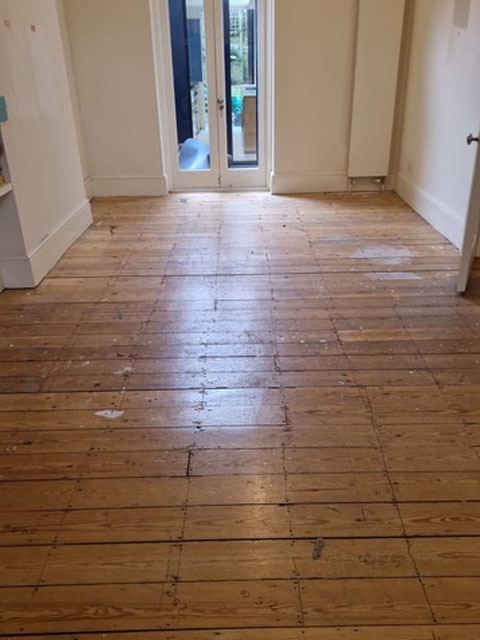
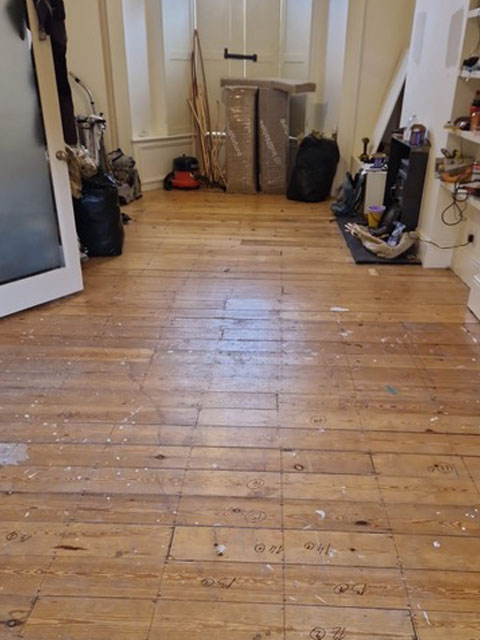
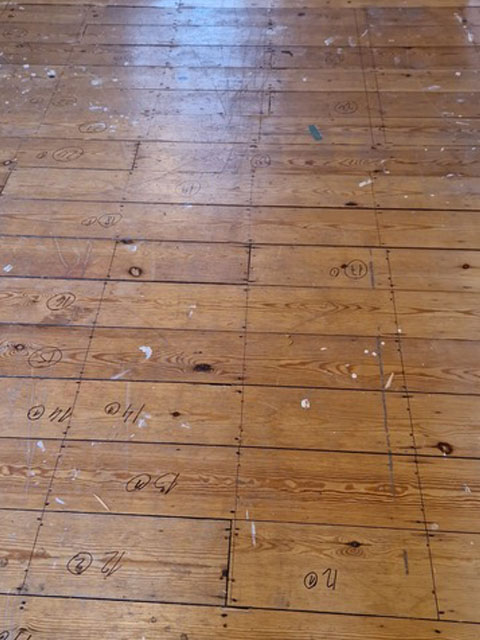
Our service begins with the lifting of 80 % – 90% of your floor, installing battens on the sides of the joists to support the installation of 750 mm insulation board (Kingspan / Celotex ). Once the insulation has been installed, the boards (that have been numbered prior to lifting ) are laid again in their original position :

1. Floor boards are numbered & carefully lifted

2. Boards and joists are cleaned and de-nailed

3. The oversite is cleared & air bricks inspected.


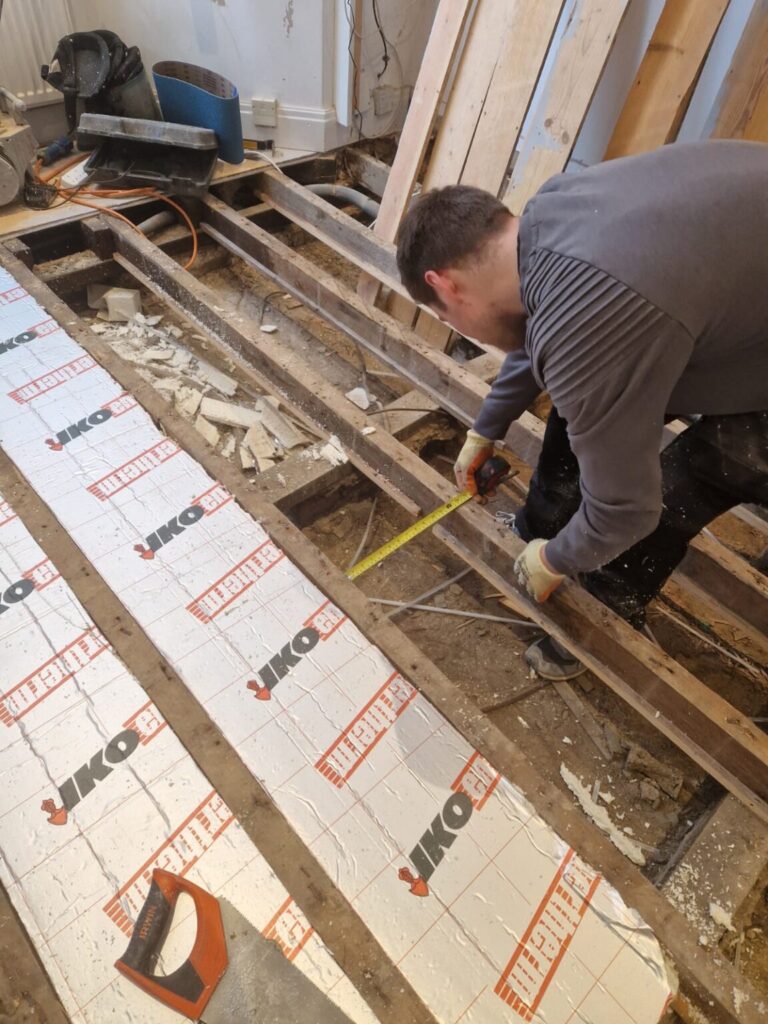


Thermal Insulation using natural materials
We can also insulate under your floors using natural insulation materials such as natural Hemp (100% British Grown) mixed with recycled Jute fibres or Natural sheep’s wool bended with recycled fibres (75% wool mixed with 25% recycled material) .
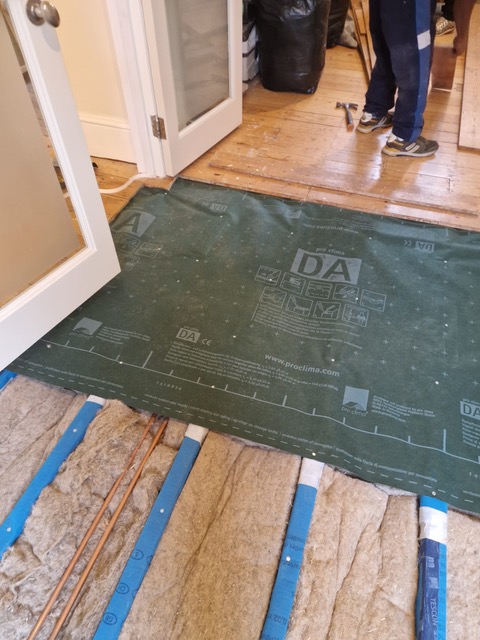
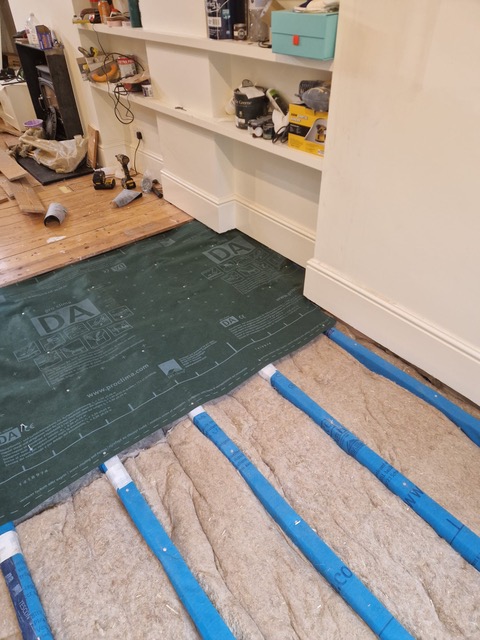
The following sequence of photos show the installation of Natural Hemp insulation in a house in Islington , North London .
- The natural Hemp insulation comes in slabs of varying thicknesses , depending on the depth of your joists .
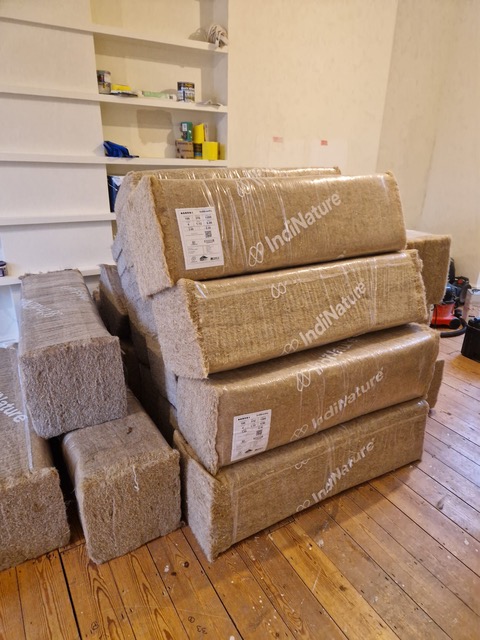
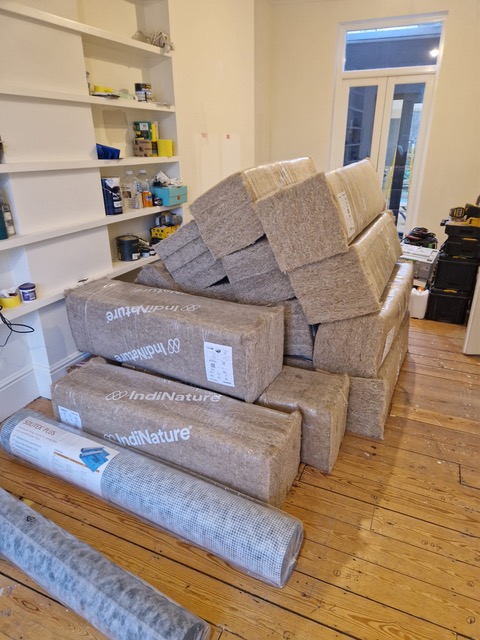
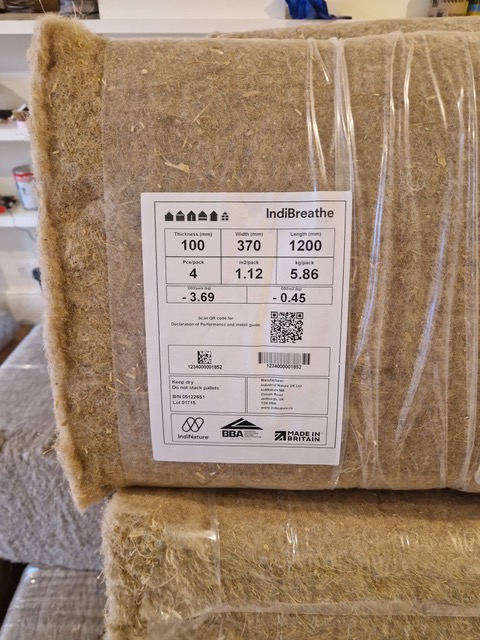
2. First we install a semi permeable membrane to support the insulation (Hemp in this case) . The membrane can breath from above to allow any minimal residual damp in the insulation to escape downwards into the void space under the floor whilst at the same time stopping any cold , moisture carrying air to permeate the membrane and enter the insulation .
The insulation is looped over and fixed to the joists using adhesive spray and battens to create a ‘hammock’ form into which the insulation can be installed .
Once the the membrane has been been properly installed we then begin the process of filling with the natural Hemp insulation slabs .
The membrane comes in rolls 1.5 meters in length so it is installed , filled with insulation and then the next 1.5 m of membrane is fitted as we work our way backwards through the floor space .
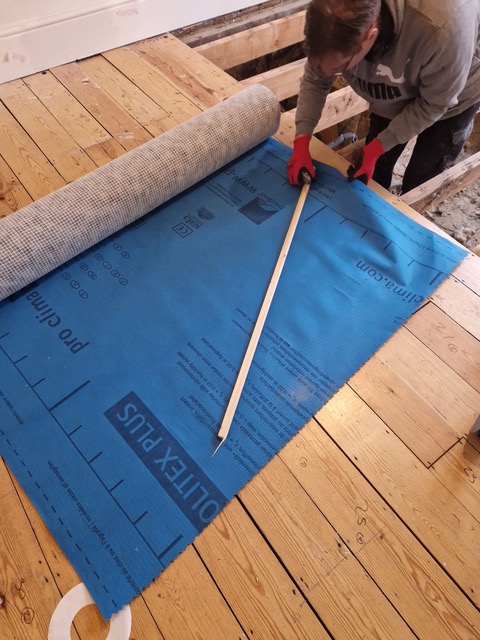
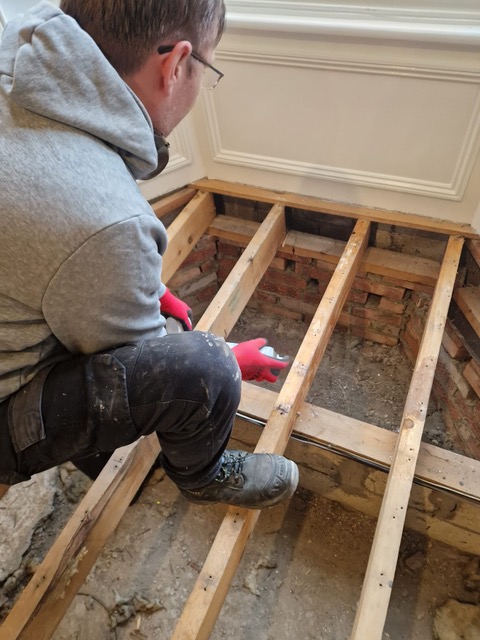
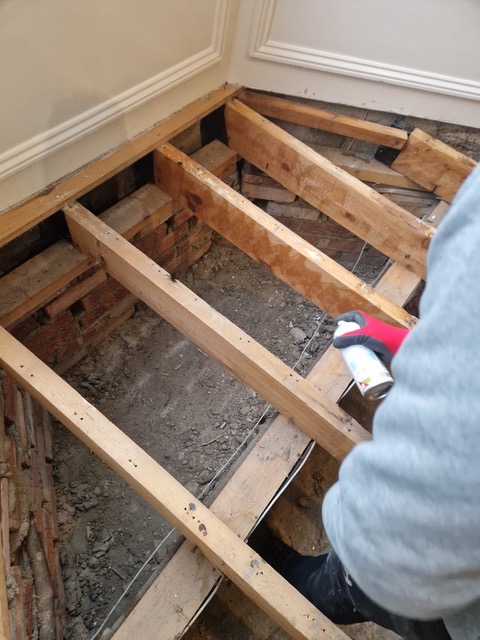
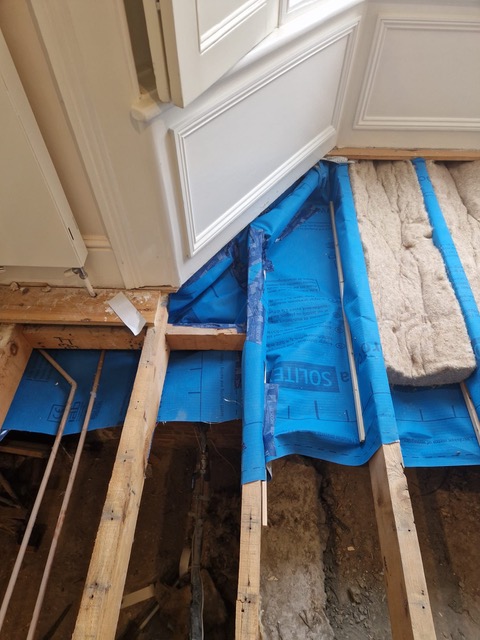
3. When all of the membrane has been installed we infill with the Hemp insulation paying close attention to corners difficult to access sections .
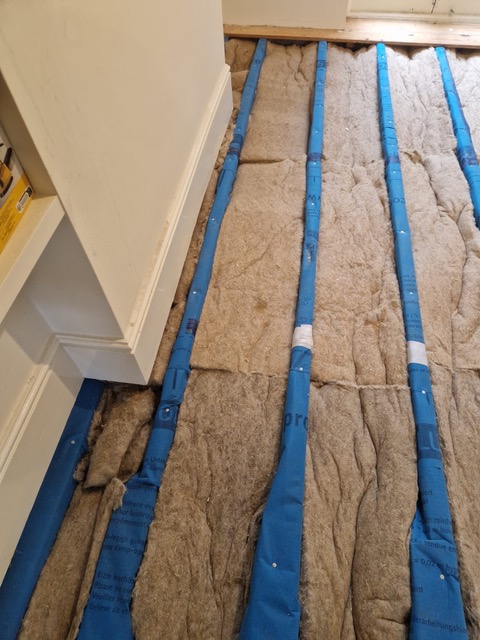
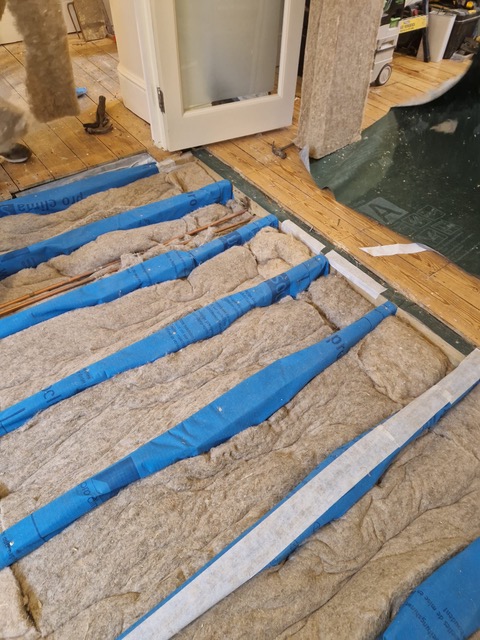
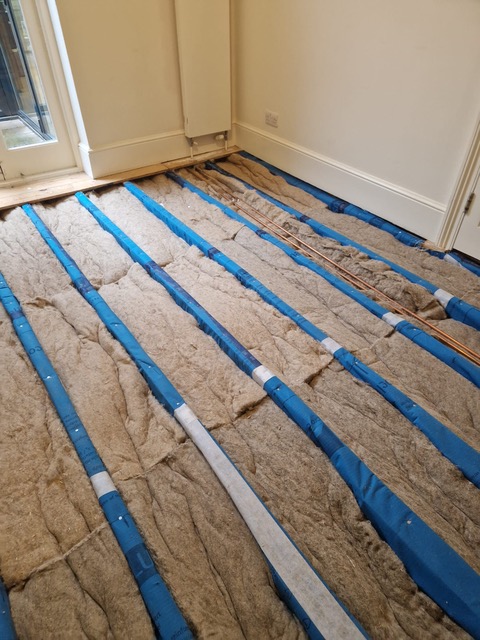
4 / We install a fully damp proof membrane over the entire insulated area before relaying the floor boards . This acts as a barrier to any moisture (caused by day to day life : condensation / breathing and general living conditions) emanating from above the floor.
When all of the boards are back down & we renovate the re-laid floor we always fill the gaps between the boards with wood strips (made from recycled boards and glued into place) , resin joint filler (for narrow gaps under 4mm) and / or flexible flooring mastic which is allows for flexing (without dropping) if there is any movement in the boards .
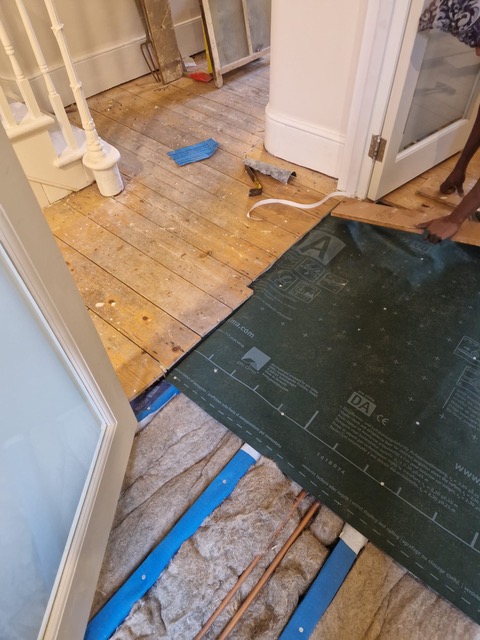
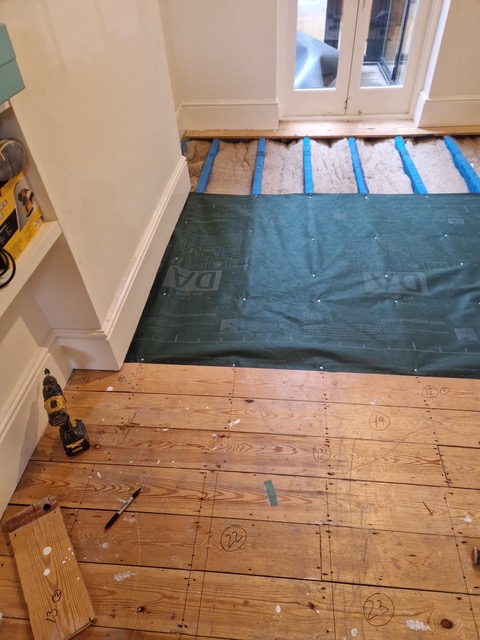
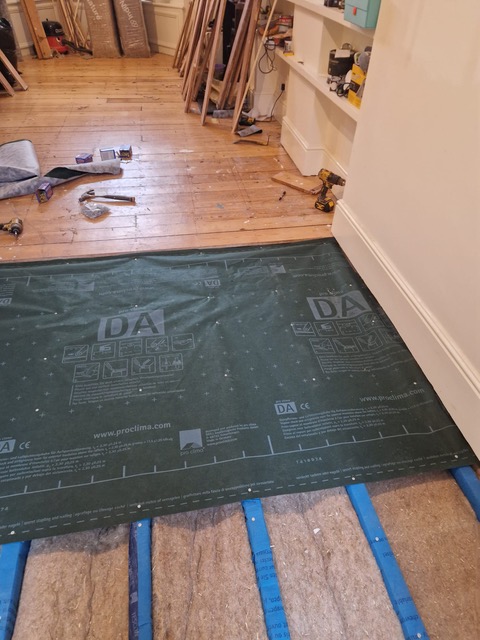
5. All of the boards are securely laid over over the damp proof sheet . The boards were numbered before lifting and so go back down in the same place where they were previously laid to avoid cutting and waste .
Once everything is re-laid we can get on with the job of the sanding & expert renovation of your freshly insulated floor . You will now have a floor that not only looks beautiful but will also help the room retain heat longer and saving you up to 20% of your domestic heat loss .
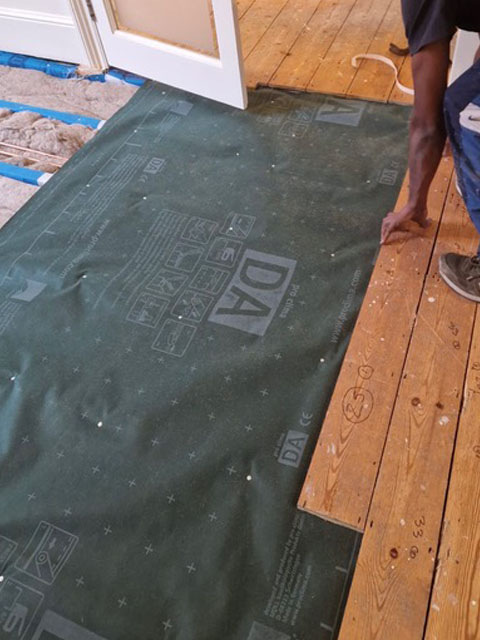
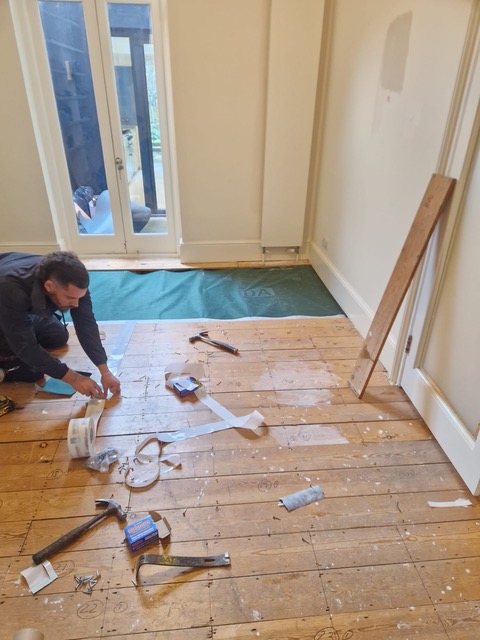
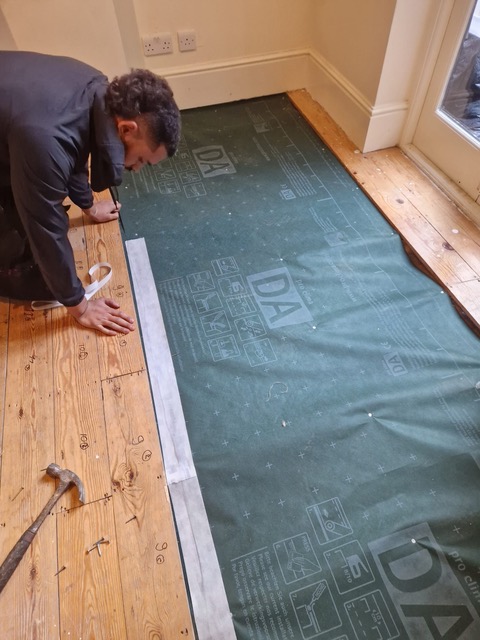
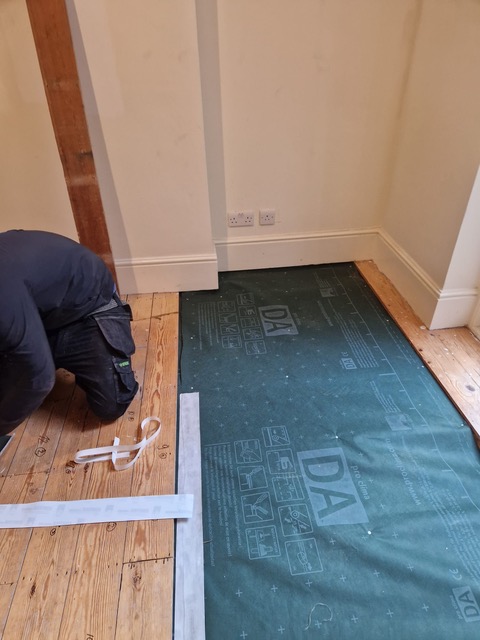
6. Fully Thermally Insulated Floor Re-Laid and ready for sanding and renovation .
What our customers say
Posted on Google
 Ayla Joseph
Trustindex verifies that the original source of the review is Google.
Dave and Diego have been absolutely wonderful for us! Once we got the keys to our new place, my partner and I got to work tearing out the sad old carpet and revealing some incredibly tired floorboards. We had just a week from when we finishing tearing out the carpets to when we needed to move in, but any stress we had about not getting the floors done before then was unfounded as Dave and Diego worked miracles. I’d been in contact with Dave a couple weeks earlier while shopping around for quotes, and when I got back to him they managed to not only schedule us in at incredibly late notice, but they also managed to finish all our floors in just three days, accompanied with advice for floor care while we moved in as they were still curing, and instructions for long term care. As you can see, their work completely transformed the space. They were lovely and easy to communicate with and did excellent work, and all was very well priced and affordable compared to other quotes we received, and I’d be more than happy to recommend them.Posted on Google Grace BCExcellent experience with David and Diego. They were flexible and able to come on short notice. Very happy with the finish- the job included a lot of tricky old boards which I was very hapoy with the attention to detail on the gap filling, the reclaimed boards sourced, custom staining of new board to match.Posted on Google
 Daniel HewittDave and Diego did an amazing job with the floors. Really friendly and professional team, and gave great advice. The team went above and beyond, I would definitely recommend them. Gaps between boards were filled well, screws well hidden, short boards replaced, and they were very helpful with picking final finish.Posted on Google
 Emma RDiego and team did a terrific job on my floors, both with insulation, sanding and finishing. The quote and payment process with Dave was very easy and more to the point accurate. They were also a really nice team of people. I would highly recommend them for work with wooden floors. They did what they said they would, for the agreed price and in the agreed timescale. Thank you.Posted on Google
 Thomas BirdDave, Diego & the team did a great job on our floors; they were diligent and detail-oriented. We're so happy with the results!Posted on Google
 Sally GrahamThe whole team are wonderingPosted on Google
 Jose CSuperbPosted on Google
 Molly McCormickDavid and Diego were so fantastic; really friendly, efficient and our stairs look great. Would recommend their services to anyone, especially as a trustworthy local company.Posted on Google
 Alex WThis is the second set of floors I have done with Diego and David. The work is extremely high quality, reasonably priced, and they are a pleasure to work with. Glad they exist!
Find Us on Google – The Natural Floor Company

Please click to provide us with reviews of our services. Your feedback is invaluable to us.
Thermal Insulation Services in London
Providing your home is properly insulated is key to keeping comfort and energy efficiency throughout the year. In London, various nearby have special architectural features that affect the choice of insulation solutions. If you reside in a Victorian townhouse or a modern apartment, professional insulation services can greatly improve your home’s thermal arrangement.
North London:
Known for their historic homes, these areas benefit from specialized insulation that keeps architectural virtue while enhancing energy efficiency. Cavity wall insulation and loft insulation are popular selections.
Retrofit insulation is perfect for older homes, ensuring minimal upset and maximum energy.
East London:
A mix of old and new buildings requires universal insulation solutions. Spray foam and blown-in cellulose are effective for both classic and modern structures. Mile End: Underfloor insulation is important for areas with high ceilings and Victorian floorboards, controlling heat loss and enhancing comfort.
West London:
Paddington: With a combination of period properties and modern developments. Shepherd’s Bush: Wall and roof insulation are important in maintaining energy efficiency in these busy areas.
South London:
Insulation upgrades in this nearby area often include external wall insulation and loft insulation to keep homes warm and energy bills low. Clapham and Balham: These areas require eco-friendly insulation choices, such as sheep wool and recycled materials.
Central London:
Pimlico, and High-end properties in these areas need premium insulation solutions that do not compromise on aesthetics. Insulation materials that blend seamlessly with living structures are selected. Victorian Floorboards: Homes across London with Victorian floorboards, like those in Camden benefit from underfloor insulation, which improves thermal efficiency without altering the historic charm.
Green and Sustainable Solutions: Eco-friendly insulation materials are increasingly popular in areas like Twickenham, Teddington, and Kew. They contribute to greener surroundings and long-term savings.
By addressing the specific requirements of each neighborhood, professional insulation services in London ensure that homes are energy-efficient, comfortable, and connected with their architectural inheritance.
Frequently Asked Questions
1. What is underfloor thermal insulation?
Underfloor thermal insulation involves installing insulating material beneath suspended wooden floorboards. It helps reduce heat loss through the floor, limit cold draughts and create a warmer, more comfortable indoor environment.
2. What types of properties are suitable for underfloor insulation?
Underfloor insulation is particularly suitable for Georgian, Victorian and Edwardian properties with suspended timber ground floors. These properties often have ventilated voids beneath the floorboards that can allow cold air and draughts to enter the rooms above.
3. How does thermal insulation help reduce heat loss?
Insulation creates a thermal barrier beneath the floorboards, helping slow the transfer of heat into the ventilated floor void. This allows rooms to retain warmth for longer and can reduce the amount of energy required to maintain a comfortable temperature.
4. Can underfloor insulation improve my property’s EPC rating?
Installing suitable thermal insulation may improve the energy efficiency of a property and could contribute towards a better Energy Performance Certificate rating. However, the final EPC rating depends on the property as a whole, including its heating system, windows, walls, roof and other energy-efficiency measures.
5. How much of the wooden floor needs to be lifted?
Approximately 80% to 90% of the floorboards may need to be carefully lifted to provide access to the joists and floor void. The boards are numbered before removal so they can be returned to their original positions after the insulation has been installed.
6. What happens after the floorboards are lifted?
Once the boards have been lifted, the floor void, boards and joists are cleaned and checked. Old nails are removed where necessary, the ground beneath the floor is cleared, and the air bricks are inspected before the insulation system is installed.
7. Which insulation materials can you install?
We can install rigid insulation boards, such as Kingspan or Celotex, as well as natural insulation materials. Natural options can include British-grown hemp mixed with recycled jute fibres or sheep’s wool blended with recycled fibres.
8. What are the benefits of natural insulation materials?
Natural insulation materials provide an environmentally conscious alternative to conventional insulation boards. Hemp and sheep’s wool can offer effective thermal performance while incorporating natural, renewable or recycled materials.
9. How is rigid insulation board installed beneath the floor?
Battens are fixed to the sides of the floor joists to support the insulation. The rigid boards are then carefully measured, cut to fit between the joists and secured tightly to minimise gaps that could allow cold air to pass through.
10. How is natural hemp insulation installed?
A semi-permeable supporting membrane is fitted between the floor joists to create a hammock-like structure. Hemp insulation slabs are then placed within the membrane, with careful attention given to corners and other difficult-to-access sections.
11. Why are membranes used with natural insulation?
The supporting membrane helps hold the insulation securely between the joists while allowing residual moisture to escape towards the ventilated void. A separate damp-proof membrane can also be installed above the insulated area before the floorboards are replaced.
12. Will underfloor insulation block the air bricks?
No. Air bricks and ventilation beneath a suspended timber floor should remain clear. Adequate airflow within the floor void is important because it helps manage moisture and protects the timber structure from damp and decay.
13. Will the original floorboards be put back in the same positions?
Yes. The floorboards are numbered before being lifted so they can be returned to their original positions. This helps preserve the existing layout, reduces unnecessary cutting and limits material waste.
14. Can gaps between the floorboards be filled after insulation?
Yes. Once the boards have been securely relaid, gaps can be filled using recycled wooden strips, resin joint filler or flexible flooring mastic, depending on the width and condition of the gaps.
15. Can my floor be sanded and restored after the insulation is installed?
Yes. After the insulation has been installed and the boards have been relaid, the floor can be professionally sanded, repaired and finished. This provides improved thermal performance while also restoring the appearance of the original wooden floor.